
Empowering Families with Data Insights
Data Literacy for Families
A teacher-created guide to understanding education data in everyday life.

Welcome
Understanding education data shouldn’t feel overwhelming. This page was created to help families, caregivers, and community members make sense of the numbers that shape our schools and our children’s experiences. As a teacher who loves data — and believes deeply in making information accessible — I built this space to guide you step by step. You don’t need to be a “data person” to use this site. You just need curiosity and a desire to understand your community a little better.
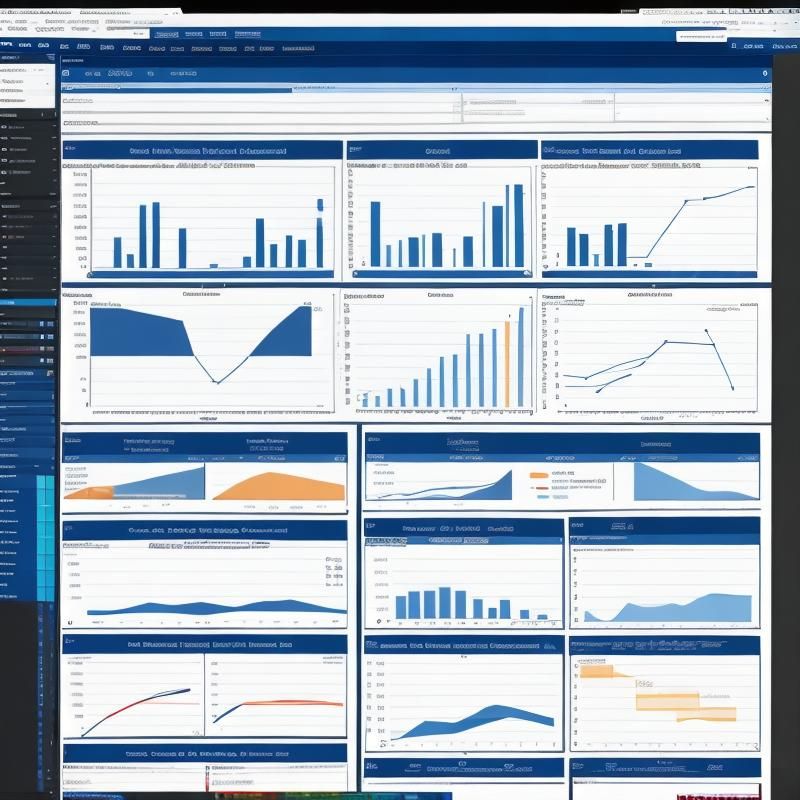

What is Data Literacy?
Data literacy simply means being able to read, understand, and ask questions about information. It’s not about memorizing statistics or becoming an expert. It’s about noticing patterns, understanding what charts are showing, and using that knowledge to make informed decisions. When families understand data, they can better support their children, advocate for their schools, and feel confident navigating the education landscape.
Why Data Maters for Families
Education data helps families see the bigger picture behind everyday experiences. It can show whether childcare is available in your area, how attendance trends are shifting, or how many students are moving on to college or career programs. Data helps answer real questions families ask all the time: Is my child’s school improving? Are resources distributed fairly? What opportunities exist in my community? When families understand the story behind the numbers, they’re empowered to make choices that support their children’s growth.
How to Use the Dashboards of This Site
Step 1: Choose a dashboard from the menu or the Data Explorer section.
Each dashboard focuses on a different part of the education landscape — from childcare capacity to school outcomes to college pathways. Start by selecting the topic that matters most to you. The menus are organized to help you find what you need quickly and easily.
Step 2: Zoom in on your county or region.
Once the dashboard loads, use the zoom tools to focus on your local area. This helps you see the data that reflects your community, your school district, or the places your family interacts with every day. Zooming in reveals details that may not be visible at the statewide level.
Step 3: Click on a location or data point to see details.
Every dot, shape, or marker on the map represents real information. Clicking on a data point opens a small window with details such as capacity, enrollment, or performance. These details help you move from the big picture to the specific information that matters to your family.
Step 4: Read the short explanation below each dashboard to understand what the data means.
Under every dashboard, you’ll find a brief explanation written in plain language. This section breaks down what the numbers represent, why they matter, and how to interpret what you’re seeing. It’s designed to make data feel approachable and meaningful.
Step 5: Use the insights to support decisions at home, in the classroom, or in your community.
The goal of every dashboard is to help you take action. Whether you’re choosing childcare, supporting your child’s learning, advocating for resources, or simply trying to understand local trends, the insights you gather here can guide thoughtful, informed decisions.

What You Can Learn from the Data
Data can help answer everyday questions families ask, such as: Are there enough childcare spots in my county? How are attendance rates changing in my district? What percentage of students go on to college or career programs? Are certain areas experiencing more challenges than others? Where are the strengths and opportunities in my community? These examples show how data can illuminate the experiences of students and families across Illinois.
A Note From Your Data-Loving Teacher
I created Future Path Data because I believe families deserve clear, honest, and accessible information about the systems that shape their children’s lives. As a teacher, I’ve seen how powerful it can be when families understand the story behind the numbers. My goal is to make data feel welcoming — not intimidating — and to help you feel confident exploring the information that matters most to you. This project is my way of sharing what I love in a way that supports our communities.